Complete Eyecare & Eyewear Buying Guide

Learn everything you need to know about choosing the perfect eyeglasses that suit your style, vision needs, and lifestyle

1

Frame Components

Understand the key parts of eyeglasses and how they affect comfort and function

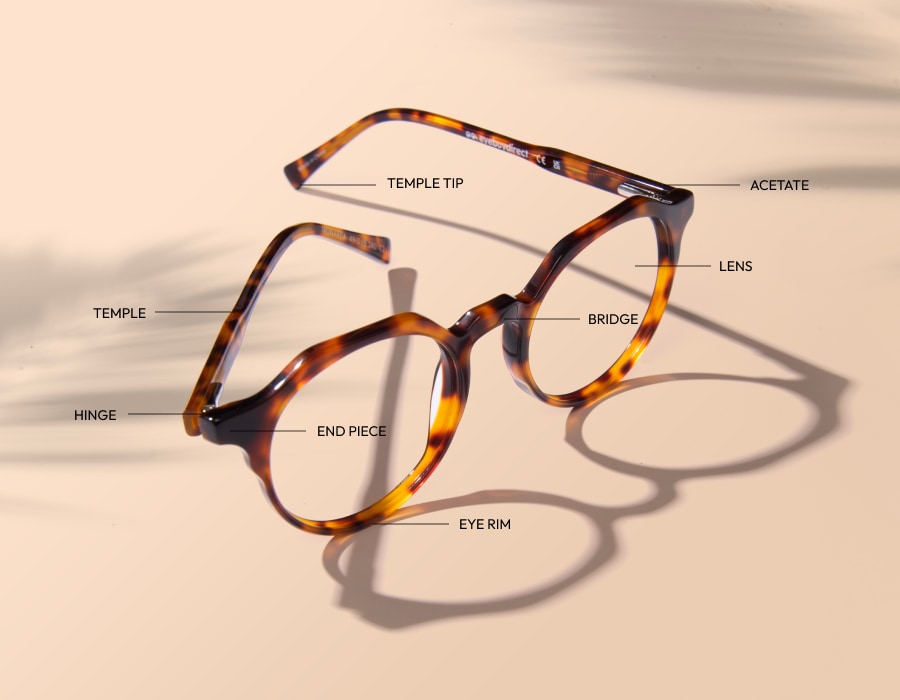
Bridge

Connects the two lens holders. Comes in different heights to fit various nose shapes and sizes

Lens

The optical part that corrects your vision. Available in various materials and coatings

Hinge

Allows the temples to fold. Quality hinges determine durability and comfort

Temple Arms

Extend from the frame to rest on your ears. Available in different lengths

Nose Pads

Provide comfort and prevent slipping. Can be adjusted by professionals

Frame Front

The visible part that frames your face. Available in countless colors and designs

Endpiece

Where the temple connects to the front. Must be properly aligned for comfort

Screws & Rivets

Hold components together. Regular maintenance keeps them tight

Eyeglasses Components

Why Frame Components Matter

Each component of your eyeglasses plays a crucial role in how they feel, look, and function. Quality materials in each part ensure durability and comfort for everyday wear.

  • Proper fit depends on bridge size and temple length
  • High-quality hinges prevent breakage and damage
  • Adjustable nose pads provide customized comfort
  • Durable materials ensure long-lasting performance
  • Professional fitting optimizes your experience
2

Finding Your Perfect Size

Learn how to measure and understand eyeglass sizing for the perfect fit

Size Category Eye Size (EYE) Bridge Size (DBL) Temple Length (TMP) Best For
Small (XS) 48-50mm 16-17mm 130-135mm Children, Small Face Shapes
Small (S) 50-52mm 17-18mm 135-140mm Petite Adults, Narrow Faces
Medium (M) 52-54mm 18-20mm 140-145mm Average Adult, Universal Fit
Large (L) 54-56mm 20-22mm 145-150mm Larger Faces, Wide Features
Extra Large (XL) 56-58mm 22-24mm 150-155mm Extra Large Frames, Wide Fit

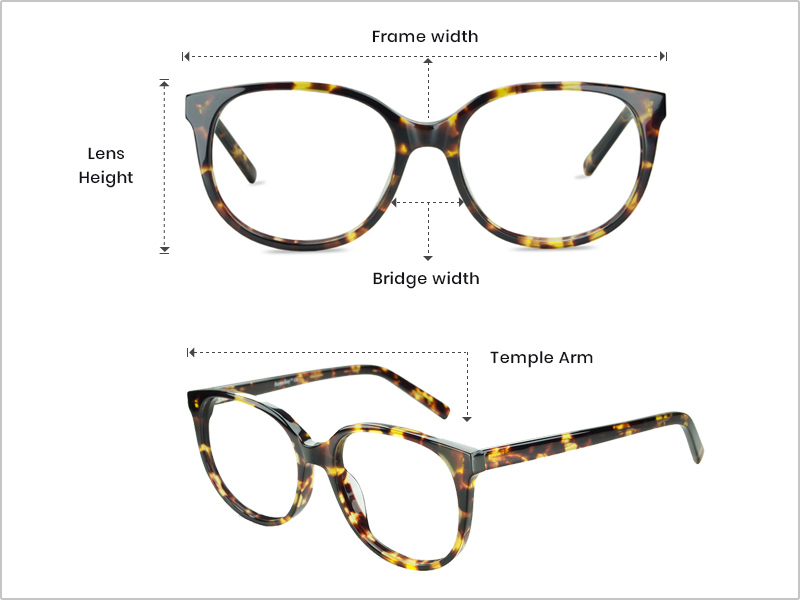
How to Measure Your Frame Size

Understanding frame measurements ensures you find glasses that fit comfortably and look proportionate to your face.

  • Eye Size (EYE): Width of each lens from the inside edge. Measured in millimeters
  • Bridge Size (DBL): Distance between the two lenses. Critical for nose fit
  • Temple Length (TMP): Length of the arms from hinge to end. Affects behind-ear comfort
  • Overall Width: Full width when frame is fully extended. Determines overall proportions
Frame Measurements
3

Frame Shapes & Face Compatibility

Discover which frame shapes complement different face types

Round Frames

Round Frames

Soft, vintage appeal. Perfect for square or angular faces. Adds curves and softness to your features.

Square Frames

Square Frames

Bold and modern. Ideal for round or oval face shapes. Adds definition and structure to facial features.

Geometric Frames

Geometric Frames

Contemporary and fashion-forward. Works well with most face shapes. Adds personality and edge.

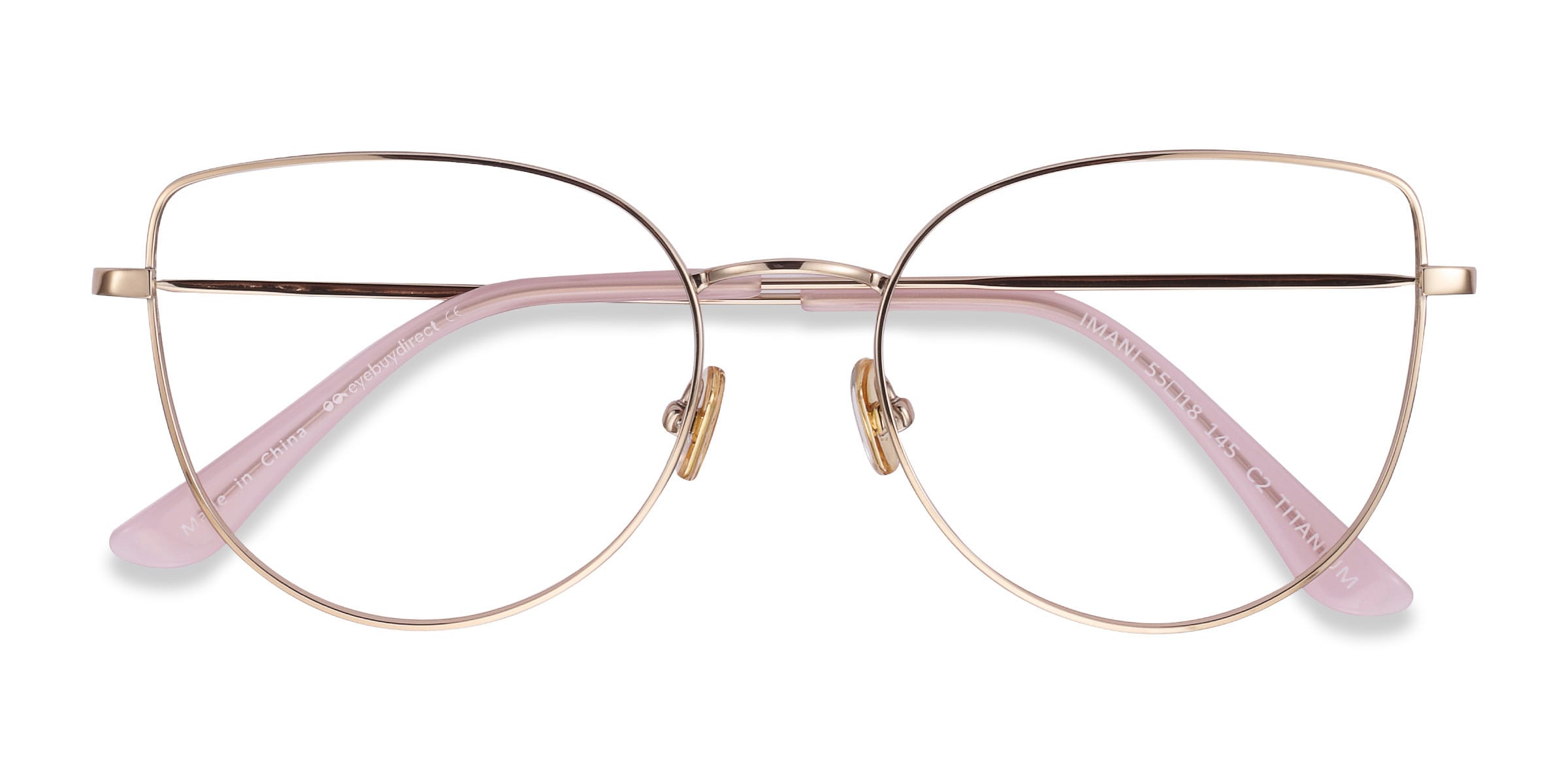
Cat-Eye Frames

Cat-Eye Frames

Retro-inspired, flattering lift. Complements oval and heart-shaped faces. Creates youthful appearance.

Oval Frames

Oval Frames

Universal flattery. Works with all face shapes. The most versatile frame style available.

Browline Frames

Browline Frames

Classic and sophisticated. Excellent for rectangular faces. Adds balance and proportion.

Face Shape Recommendations
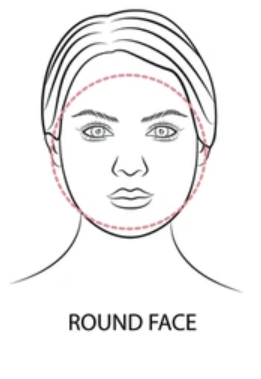
Round Face Round Face

  • ✓ Square frames
  • ✓ Geometric styles
  • ✓ Browline frames
  • ✓ Rectangular shapes
  • ✗ Avoid rounded frames

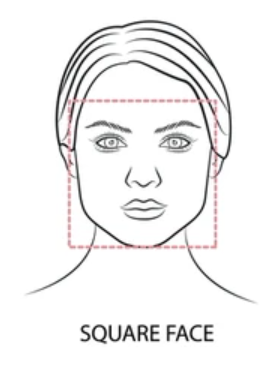
Square Face Square Face

  • ✓ Round frames
  • ✓ Oval shapes
  • ✓ Cat-eye frames
  • ✓ Soft curves
  • ✗ Avoid harsh squares

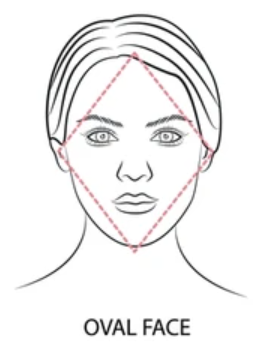
Oval Face Oval Face

  • ✓ All frame styles
  • ✓ Geometric frames
  • ✓ Bold designs
  • ✓ Unique shapes
  • ✓ Most versatile
4

Frame Materials & Durability

Explore different material options and their unique properties

Acetate Frames

Acetate Frames

One of the most popular frame materials, acetate is a biodegradable plastic derived from wood pulp and cotton fibers.

  • Wide variety of colors and patterns available
  • Durable and flexible - resistant to breaking
  • Hypoallergenic - safe for sensitive skin
  • Affordable compared to other materials
  • Can be adjusted by professionals
  • Best for: Fashion-forward, colorful styles
Metal Frames

Metal Frames

Metal frames offer a sleek, professional appearance with excellent durability and versatility.

  • Lightweight and comfortable for all-day wear
  • Classic and professional appearance
  • Can be easily adjusted by professionals
  • More expensive than plastic alternatives
  • Requires regular cleaning to prevent oxidation
  • Best for: Professional, minimalist looks
Plastic Frames

Plastic Frames

Affordable and lightweight, plastic frames come in various styles and are ideal for budget-conscious shoppers.

  • Most affordable frame material option
  • Lightweight and comfortable
  • Diverse color and style selection
  • Less durable than other options
  • Limited adjustability by professionals
  • Best for: Casual, everyday wear
Titanium Frames

Titanium Frames

Premium material offering exceptional durability, lightness, and hypoallergenic properties.

  • Extremely lightweight - up to 45% lighter than other metals
  • Highly durable - nearly impossible to break
  • Hypoallergenic - perfect for sensitive skin
  • Premium pricing - most expensive option
  • Excellent for active lifestyles
  • Best for: Athletic, premium, sensitive skin
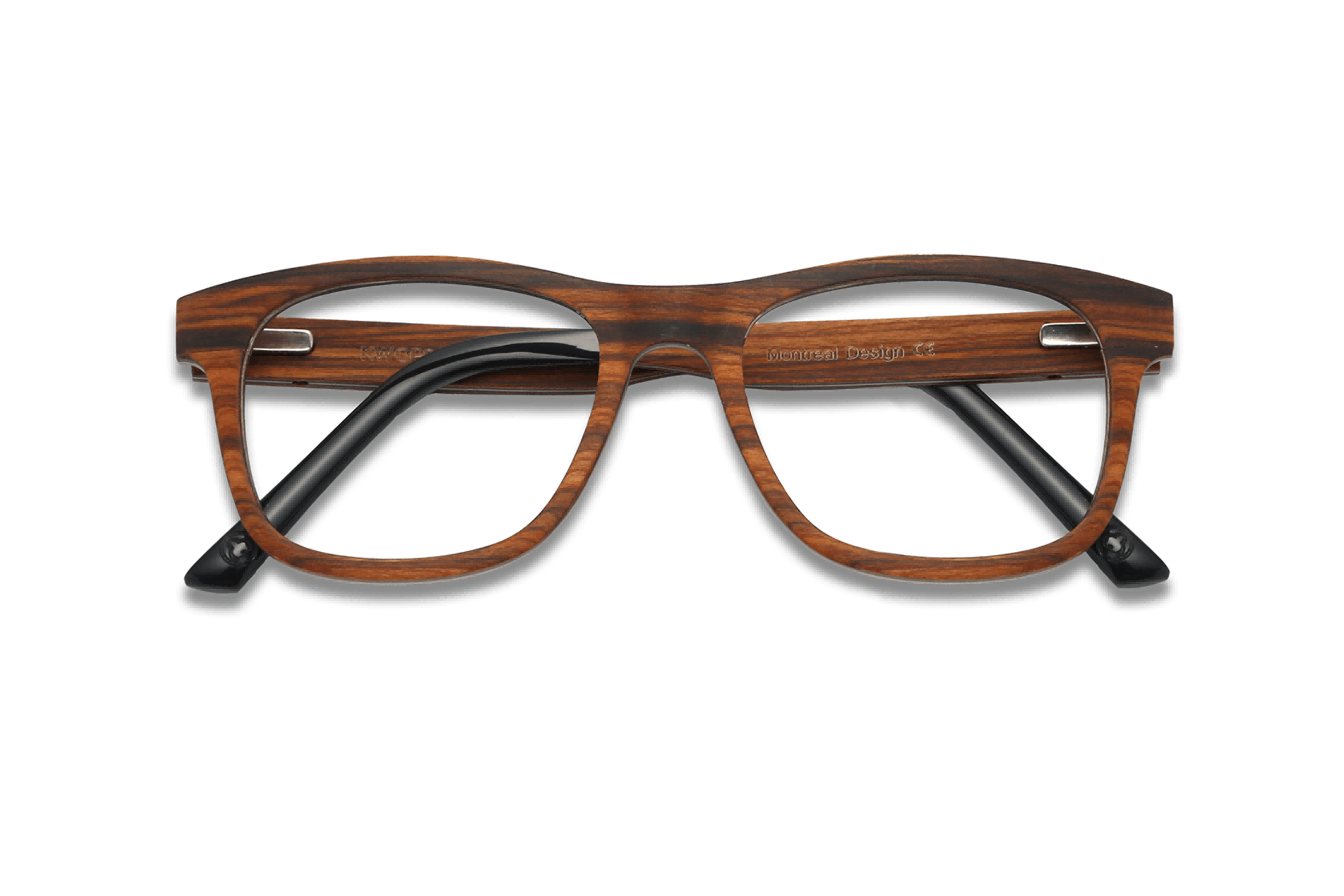
Wood Frames

Wooden Frames

Eco-friendly and unique, wood frames offer a distinctive, natural aesthetic.

  • Environmentally sustainable material
  • Each pair unique with natural wood grain
  • Lightweight and comfortable
  • Requires special care and maintenance
  • Limited style availability
  • Best for: Eco-conscious, unique style enthusiasts
Material Durability Weight Cost Hypoallergenic Best Use
Acetate Medium $ ✓ Yes Fashion, Everyday
Metal Light $$ Sometimes Professional, Minimalist
Plastic Light $ Varies Casual, Budget
Titanium Very Light $$$ ✓ Yes Athletic, Premium
Wood Light $$ ✓ Yes Eco-Conscious, Unique
5

Lens Types & Coatings

Understand different lens options and protective coatings

Single Vision

One prescription throughout the lens. Ideal for those who need correction for one distance only (near or far).

Bifocal

Two distinct sections for near and far vision. Lines visible on the lens. Traditional multifocal option.

Progressive

Gradual prescription change for all distances. No visible lines. Premium multifocal solution.

Photochromic

Lenses that darken in sunlight and clear indoors. Eliminates need for separate sunglasses.

Blue Light Filter

Reduces strain from digital screens. Improves sleep quality and reduces eye fatigue.

Polarized

Reduces glare from reflective surfaces. Perfect for outdoor and water activities.

Lens Materials

Glass

  • ✓ Excellent clarity
  • ✓ Scratch resistant
  • ✗ Heavy weight
  • ✗ Easy to break
  • Price: $$

Plastic (CR-39)

  • ✓ Affordable
  • ✓ Lightweight
  • ✓ Shatter-proof
  • ✗ Scratches easily
  • Price: $

Polycarbonate

  • ✓ Very impact resistant
  • ✓ UV protection
  • ✓ Lightweight
  • ✗ Slightly lower clarity
  • Price: $$
Coating Type Function Benefits Best For
Anti-Reflective Reduces reflections on lens surface Better clarity, less glare, better appearance Everyone - Standard coating
UV Protection Blocks harmful ultraviolet rays Protects eyes from UV damage Outdoor activities, daily wear
Scratch-Resistant Protects lens surface from scratches Extends lens life, maintains clarity Active lifestyles, children
Anti-Fog Prevents condensation on lenses Better visibility in humid conditions Sports, weather changes
Blue Light Filter Blocks blue light from screens Reduces eye strain and fatigue Computer users, digital natives
Hydrophobic Repels water and moisture Easy cleaning, better visibility Water sports, humid climates
6

How to Choose Your Perfect Eyeglasses

Step-by-step guide to finding your ideal eyewear

Determine Your Vision Needs

Visit an eye care professional to get an accurate prescription. Know if you need correction for distance, reading, or both.

Consider Your Face Shape

Identify your face shape (round, square, oval, heart) and choose frames that complement your natural features.

Think About Your Lifestyle

Consider your daily activities. Do you need durable frames? Work outdoors? Spend time on screens?

Select Your Frame Material

Choose based on durability, comfort, budget, and aesthetic preferences. Each material has unique advantages.

Choose Lens Type & Coatings

Select appropriate lenses (single vision, bifocal, progressive) and protective coatings for your needs.

Get Professional Fitting

Have an optician professionally fit your frames to ensure proper alignment and maximum comfort.

7

Lens Type Recommendations by Lifestyle

Find the best lens options based on your daily activities

Office Worker

  • ✓ Single Vision or Progressive
  • ✓ Blue Light Filter
  • ✓ Anti-Reflective Coating
  • ✓ Lightweight frame

Active / Sports

  • ✓ Polycarbonate lenses
  • ✓ Impact-resistant
  • ✓ Polarized coating
  • ✓ Secure-fitting frame

Outdoor Enthusiast

  • ✓ Photochromic lenses
  • ✓ UV protection
  • ✓ Polarized option
  • ✓ Durable frame

Senior (50+)

  • ✓ Progressive lenses
  • ✓ Larger lens size
  • ✓ Anti-glare coating
  • ✓ Comfortable fit

Children & Teens

  • ✓ Durable plastic
  • ✓ Impact-resistant
  • ✓ Fun colors/styles
  • ✓ Scratch-resistant

Eco-Conscious

  • ✓ Sustainable materials
  • ✓ Wooden frames
  • ✓ Recycled materials
  • ✓ Ethical sourcing
8

Eyeglasses Care & Maintenance

Extend the life of your eyeglasses with proper care

Daily Care Tips

Proper care ensures your eyeglasses remain clear, comfortable, and durable for years to come.

  • Always use a clean microfiber cloth for cleaning
  • Rinse lenses with lukewarm water before wiping
  • Never use paper towels, tissues, or clothing
  • Store glasses in a protective case when not in use
  • Keep glasses away from extreme heat and cold
  • Use proper lens cleaning solution - never use saliva
Eyeglasses Care

Cleaning

Rinse with warm water, apply cleaning solution, and gently wipe with microfiber cloth. Do this daily.

Storage

Always store in a protective case when not wearing. Avoid placing on surfaces where they can be damaged.

Adjustments

Visit an optician for adjustments and repairs. Loose screws and hinges can be tightened professionally.

What to Avoid

Never use harsh chemicals, acetone, extreme temperatures, or abrasive materials on your frames or lenses.

Handling

Hold glasses by the frame, never by the lenses. Use both hands when putting on or taking off.

Maintenance

Have professional inspections every 6 months. Replace cleaning cloths regularly, especially when worn.

9

Frequently Asked Questions

Find answers to common eyeglasses questions

How often should I replace my eyeglasses? +

Most eyeglasses should be replaced every 1-3 years, depending on prescription changes and frame damage. If your prescription hasn't changed but your frames are damaged, you can replace just the lenses. Children and teens with changing prescriptions may need new glasses more frequently, while adults can often keep the same glasses longer. Visit your optometrist annually to check if an update is needed.

Can I wear my eyeglasses while playing sports? +

Regular eyeglasses are not ideal for sports due to the risk of breaking and losing them. For sports, consider sports-specific eyeglasses with impact-resistant lenses (polycarbonate) and a secure fit. Many athletes also choose contact lenses during athletic activities. Consult with your eye care professional to find the best solution for your sport.

What's the difference between bifocals and progressive lenses? +

Bifocals have two distinct prescriptions - one for distance and one for reading - with a visible line separating them. Progressive lenses offer a gradual transition between multiple prescriptions with no visible line, providing clearer vision at all distances. While progressive lenses are more expensive and require an adjustment period, they offer superior vision quality and aesthetics.

Are prescription sunglasses worth it? +

Prescription sunglasses can be valuable if you spend significant time outdoors. They eliminate the need to switch between regular glasses and sunglasses, improving convenience. However, photochromic lenses (which darken in sunlight) are a more affordable alternative for most people. Consider prescription sunglasses if you're active outdoors or if you prefer not to wear contacts with regular sunglasses.

How do I know if my glasses fit properly? +

Properly fitting glasses should sit evenly on your nose without sliding down, sit comfortably on the bridge of your nose without pinching, and rest on your ears without leaving marks. The bottom of the frames should align with the top of your cheekbones, and you should be able to fit one finger between your temple and the side of your head. Have an optician adjust your frames if needed.

Can I adjust my glasses myself? +

While minor adjustments like tightening screws can be done at home with a tiny screwdriver, it's generally best to visit an optician for professional adjustments. Improper adjustments can damage your frames or affect your vision correction. Professional opticians have specialized tools and expertise to ensure your glasses fit perfectly and safely.

What should I do if my glasses break? +

If your glasses break, contact your optician or eyewear retailer immediately. They may be able to repair them if the damage is minor, or replace them if necessary. Many insurance plans and warranties cover repairs or replacement. In the meantime, contact lenses or an older pair of glasses can serve as a temporary solution while your glasses are being repaired.

Are designer glasses worth the extra cost? +

Designer glasses offer premium materials, better craftsmanship, and exclusive styles, which can justify the higher cost for some. However, the optical quality and lens correction depend on your prescription and lens quality, not the designer name. If budget is a concern, quality non-designer frames with excellent lenses often provide the same vision correction. Choose based on personal preference and budget.

How do I clean my glasses without damaging them? +

First, rinse your glasses under lukewarm running water to remove dust and debris. Apply a small amount of lens cleaning solution (not saliva or other liquids) to both sides of each lens. Gently wipe with a clean microfiber cloth using circular motions. Never use paper towels, tissues, or dry cloth, as these can scratch the lenses. Always store your glasses in a protective case.

10

Popular Collections

Explore our curated eyewear collections

Ready to Find Your Perfect Eyeglasses?

Visit our store or schedule a professional eye exam and fitting consultation today